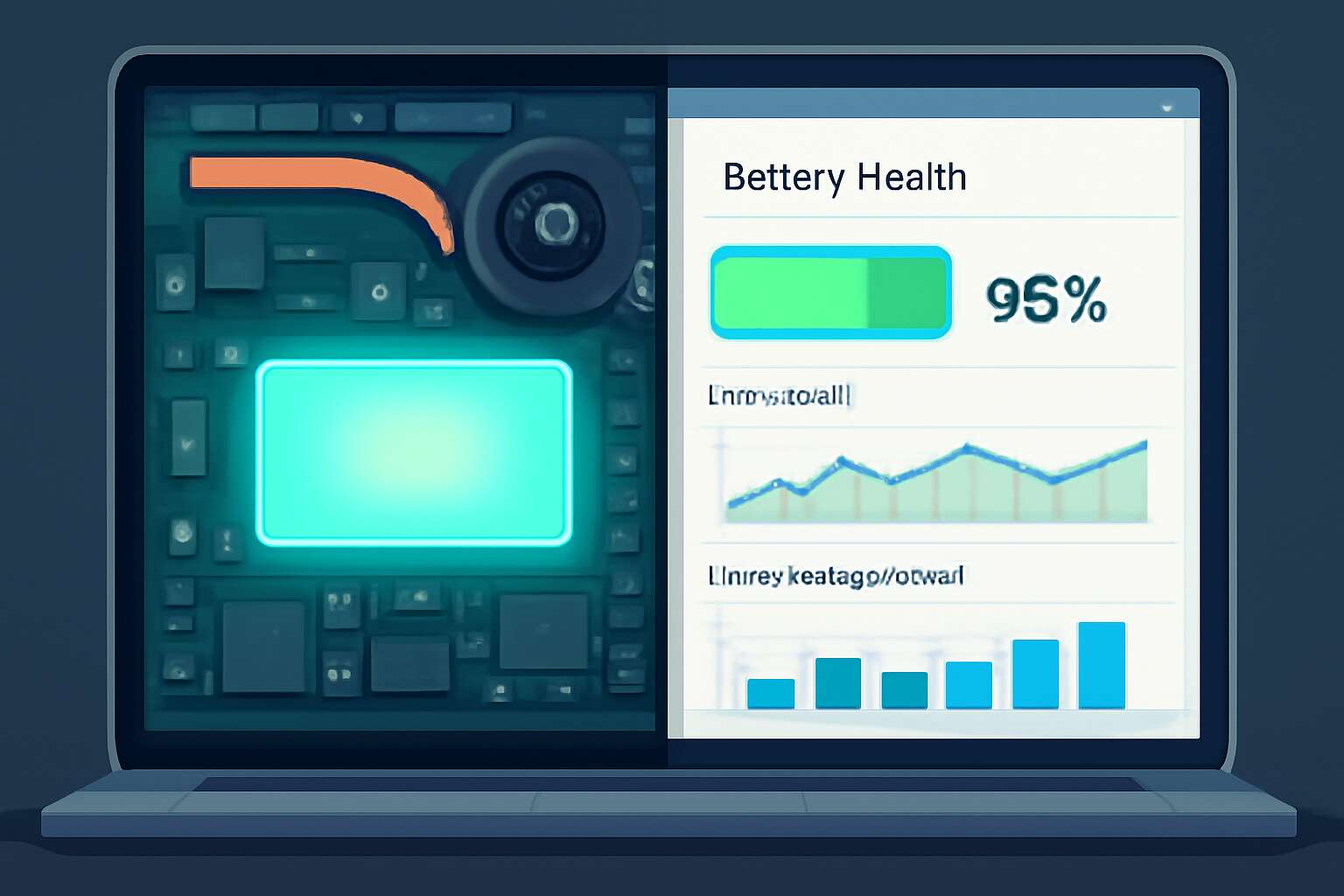
Is laptop battery hardware or software
Defining hardware vs software in laptop batteries
Modern laptops run longer on a whisper of power than a roar of fans. On average, a lithium-ion battery retains about 80% of its original capacity after 500 charge cycles, quietly reshaping how long you can unplug and go. This is especially true in South Africa, where power reliability varies. This begs the question: is laptop battery hardware or software? It’s not a binary answer; it’s a dialogue between physics and code.
Hardware supplies the material reality—cells, the protective can, interconnects, and the battery management system that monitors temperature and voltage. From my experience, software shapes behavior—firmware that tells the pack when to charge and OS power plans that stretch every drop. Together, they determine how long you can work.
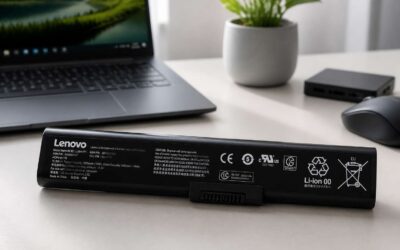
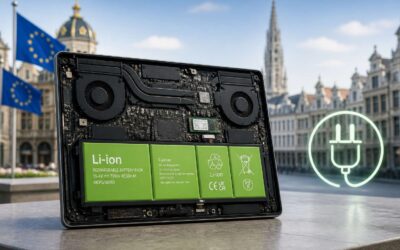
- Hardware touchpoints: cells, BMS, connectors
- Software touchpoints: firmware, calibration routines, power-management profiles
Key hardware factors that affect battery life and health
Power is a stubborn companion here, where a single charge can keep a workshop humming longer than a fan. The recurring question is: is laptop battery hardware or software? The truth isn’t binary—hardware provides the bones, while software teaches the heartbeat: when to charge, how fast, and when to rest. In rural life, you feel this balance in the cells and the tiny wires that knit them together.
- Cell quality and aging: capacity fade and heat sensitivity impacting daily use.
- BMS accuracy: protection circuits, temperature sensing, and voltage monitoring keep things safe.
Taken together, these hardware touchpoints shape how long the laptop runs between charges, independent of software’s tone or OS power plans. South Africa’s climate and intermittent outlets make robust hardware a lifeline, enduring when the night lights flicker!
Key software factors that affect battery life and performance
In South Africa, software-driven energy management can stretch a laptop’s day by a surprising margin—think up to a third longer between charges.
So, is laptop battery hardware or software? It’s not an either/or question. Software acts as the conductor, telling hardware when to idle, when to chase speed, and when to rest.
Key software factors shaping battery life include:
- Power plans and CPU scaling determine how aggressively the processor uses energy.
- Background processes, app energy profiling, and notifications management decide where juice goes.
- Display software controls brightness, refresh rate, and color profiles to curb draw.
- OS and driver updates, along with battery-health monitoring tools, keep the system efficient.
In South Africa’s climate and power realities, this software layer becomes a lifeline, especially when outlets flicker!
Diagnosing issues: hardware vs software
On South African desks from Sandton to Simons Town, the true culprit for a temperamental battery is rarely the battery alone. The ecosystem—hardware listening to software, software nudging hardware, and users playing referee—keeps the tale lively. The perennial question—is laptop battery hardware or software—often arrives as a polite quarrel rather than a verdict.
Diagnosing issues in this context means recognising what each side can influence, without leaping to conclusions.
- Hardware signals: wear, swelling, loose connectors
- Software signals: misaligned power plans, errant background apps
- Environmental clues: heat, airflow, and charging habits
In South Africa’s climate, nuance wins. A well-balanced system reads the room—the temperature, usage rhythm, and the quiet hand of updates—before naming the battery’s fate.


0 Comments