Understanding Used Laptop Batteries
What Are Used Laptop Batteries?
Used laptop batteries are more than just discarded electronics; they’re a ticking time bomb for the environment if not handled properly. These powerful energy sources contain valuable materials—like lithium, cobalt, and nickel—that can be reclaimed through proper recycling. But understanding what to do with used laptop batteries goes beyond simple disposal. They have a limited lifespan and degrade over time, leading many to wonder whether they should be recharged, refurbished, or recycled.
Knowing what to do with used laptop batteries is crucial, especially given the rising concern about e-waste. These batteries often contain hazardous chemicals that, if mismanaged, can leach into the soil and water. Instead of throwing them in the trash, consider options like specialized recycling centers or authorized collection points. They ensure the toxic components are safely contained and the precious metals are recovered, reducing environmental impact.
When evaluating what to do with used laptop batteries, it’s important to recognize their condition. If a battery no longer holds a charge or shows signs of swelling, it’s a clear indicator that it needs to be disposed of responsibly. Some batteries can be recycled or refurbished, extending their lifespan and reducing waste. Remember, the choice you make today impacts the health of our environment tomorrow.
Why Do Laptop Batteries Need Proper Disposal?
Every used laptop battery carries more than just the potential to power a device; it embodies a complex web of chemical elements that are both valuable and hazardous. The question of what to do with used laptop batteries is not merely about disposal—it’s a moral imperative rooted in our shared responsibility to the environment. When left unmanaged, these batteries can become silent threats, seeping toxic chemicals into soil and water, poisoning ecosystems and human health alike.
Proper disposal is essential to prevent environmental degradation. Lithium, cobalt, and nickel—elements vital for modern technology—are finite resources that deserve careful management. Neglecting these materials results in unnecessary waste, both of resources and environmental integrity. Recognizing the signs of a degraded battery—such as swelling, inability to hold charge, or overheating—can be the first step in making an informed decision about its fate.
Understanding what to do with used laptop batteries involves evaluating their condition and choosing the right avenue for disposal. For batteries that are no longer functional or safe, recycling at authorized centers ensures toxic substances are safely contained, while valuable metals are recovered. In some cases, refurbishment might extend their usefulness, reducing overall waste and conserving resources. This process underscores a deeper truth: our choices today echo through the legacy we leave behind.
Environmental Impact of Improper Disposal
Every used laptop battery is a silent repository of intricate chemical alchemy—elements like lithium, cobalt, and nickel—each with a story that extends beyond the device itself. When these batteries are discarded improperly, their toxic components seep into soil and water, transforming from silent power sources into environmental villains. The impact is not just ecological but personal, as contaminated water and soil threaten health and biodiversity across South Africa’s delicate ecosystems.
Understanding what to do with used laptop batteries is crucial to breaking this cycle of harm. Improper disposal can lead to hazardous chemicals leaching into the environment, causing long-term damage that’s often invisible until it’s too late. To prevent this, it’s vital to recognize the signs of a degraded battery—swelling, overheating, or inability to hold charge—and act decisively. Instead of letting these batteries become environmental threats, consider avenues like recycling at authorized centers, where valuable metals are reclaimed and toxic substances safely contained.
- Recycle at certified e-waste facilities that adhere to environmentally responsible practices.
- Seek refurbishment options that can extend the battery’s life, reducing waste and conserving resources.
Safe Ways to Handle Used Laptop Batteries
Initial Safety Precautions
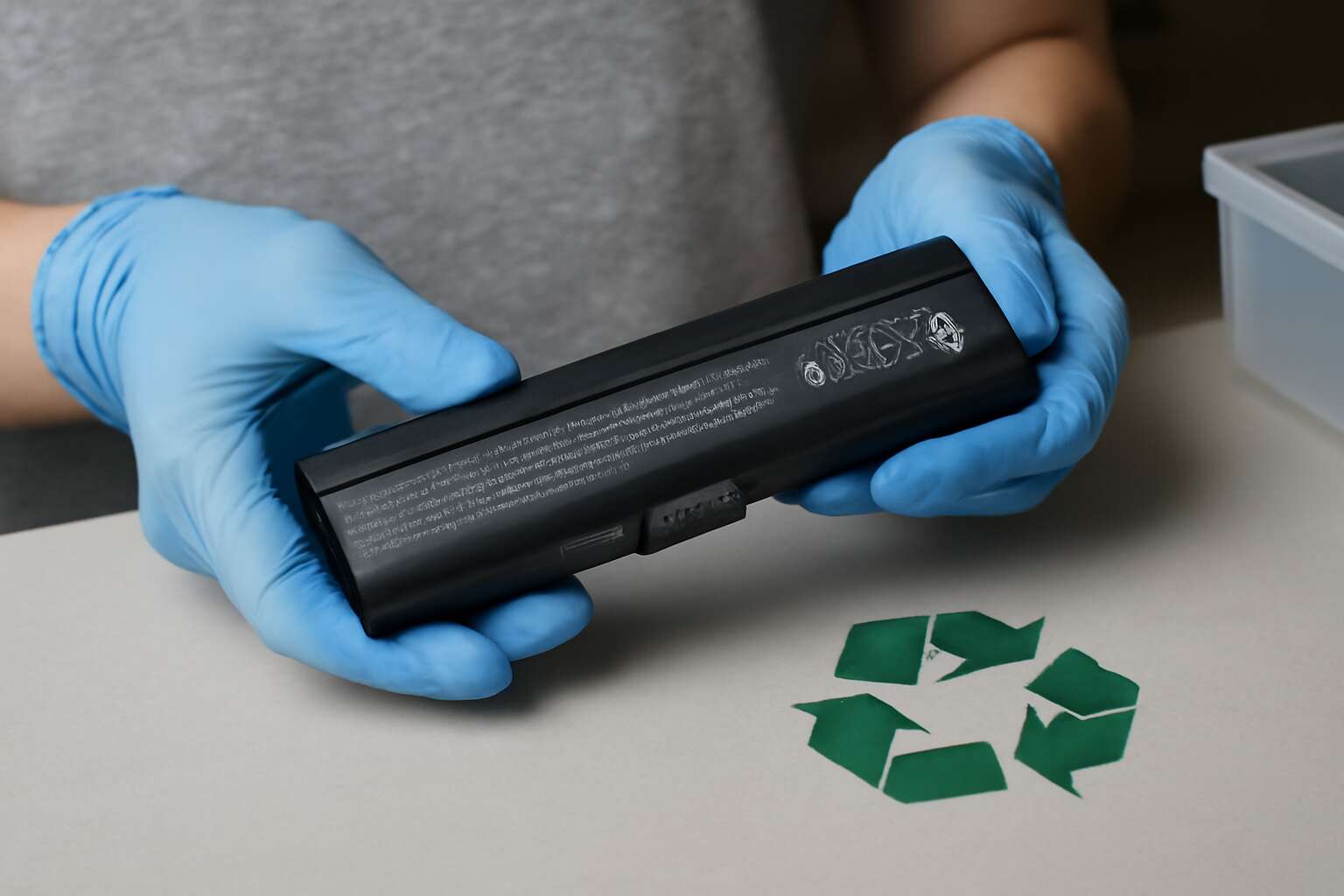
Handling used laptop batteries with care isn’t just a matter of courtesy—it’s a crucial step in safeguarding both the environment and personal safety. These seemingly innocuous power sources can become volatile if mishandled, akin to a temperamental artist’s palette—best kept under control. According to recent studies, nearly 70% of electronic waste in South Africa ends up improperly disposed of, often with batteries tossed into general trash. This careless act can lead to leakage, fires, or environmental contamination. So, what to do with used laptop batteries? First, always wear protective gloves and eye gear when handling them, as the risk of chemical exposure is real and underestimated. Never puncture or crush a battery; instead, place it in a non-conductive container, ideally lined with sand or a similar inert substance. For added peace of mind, consider the following safe handling practices:
- Store used laptop batteries in a cool, dry place away from flammable materials.
- Avoid exposing them to extreme temperatures or moisture, which can accelerate deterioration.
- Label batteries clearly to prevent accidental misuse or confusion during storage.
By adopting these initial safety precautions, you ensure that your responsible approach to what to do with used laptop batteries remains both effective and environmentally conscious. After all, a little caution today can prevent a big disaster tomorrow—and perhaps even save a few penguins in the process.
How to Inspect Used Laptop Batteries
Handling used laptop batteries demands a meticulous eye—these power sources are more than mere remnants of technology; they are repositories of potential peril. An overlooked crack or swelling can transform a seemingly harmless battery into a ticking hazard. To prevent mishaps, it’s essential to conduct a thorough inspection before considering what to do with used laptop batteries. Look for signs of damage such as bulging, corrosion, or leakage, which signal that the battery has reached its expiration point and warrants cautious disposal.
When inspecting used laptop batteries, employ a gentle touch but a vigilant gaze. If you notice any abnormalities, avoid handling the battery directly and instead, place it in a non-conductive container, such as a plastic bag or lined box. For those wondering what to do with used laptop batteries, recognizing these warning signs is a vital first step. Remember, a damaged battery should never be disposed of with household waste, as the chemicals inside can contaminate ecosystems or cause fires. Instead, seek out designated recycling facilities that accept electronic waste, ensuring that the hazardous components are managed responsibly.
In some cases, batteries may be in good condition but simply no longer hold a sufficient charge. For these, consider whether they can be refurbished or repurposed. A quick inspection—checking for unusual odors, excessive heat, or physical damage—can provide the insights needed to determine the next course of action. Ultimately, safeguarding your environment begins with understanding the subtle cues that a used laptop battery is no longer fit for use, guiding you seamlessly into responsible disposal or recycling practices.
Proper Storage Before Disposal
Handling used laptop batteries requires a delicate balance of caution and foresight. Proper storage before disposal is crucial to prevent accidental leaks, fires, or environmental contamination. The key is to keep these batteries in a safe, stable environment—away from extreme temperatures, moisture, and direct sunlight. An ideal approach is to place them in a non-conductive container, such as a plastic bag or a lined box, to avoid any unintended electrical contact. This simple but essential step minimizes the risk of short circuits or thermal runaway, which can be dangerous.
For added safety, consider the following steps when storing used laptop batteries:
- Ensure the battery terminals are covered with non-conductive tape to prevent accidental contact.
- Label the container clearly as “used laptop batteries” to avoid confusion during disposal.
- Keep the stored batteries in a cool, well-ventilated area, away from flammable materials.
Remember, knowing what to do with used laptop batteries doesn’t end with storage. When the time comes, always seek out certified recycling facilities that accept electronic waste. This ensures the hazardous components are managed responsibly and in accordance with local regulations. Responsible handling not only protects the environment but also helps prevent potential safety hazards lurking in neglected batteries.
Recycling and Disposal Options for Used Laptop Batteries
Locating Certified Recycling Centers
In the shadowed corridors of technological obsolescence, the question lingers—what to do with used laptop batteries? These silent relics of digital ambition harbor a darkness that can seep into the earth if cast aside carelessly. Yet, within this gloom lies a flicker of hope: responsible recycling. South Africa’s landscape offers a path through the labyrinth, guiding us toward salvation for these volatile remnants.
The key is locating certified recycling centers that accept used laptop batteries—a sanctuary where chemical curses are broken down and reclaimed. These centers follow strict protocols, transforming hazardous waste into new life. To ease your journey, consider the following steps:
- Identify local certified recycling centers specializing in electronic waste.
- Ensure they accept lithium-ion and other rechargeable battery types.
- Transport your used laptop batteries securely, avoiding punctures or leaks.
By embracing these measures, we not only thwart environmental decay but also participate in a ritual of renewal amidst the darkened shadows of discarded technology.
Drop-off Programs and Collection Events
When it comes to what to do with used laptop batteries, drop-off programs and collection events are your best allies in the battle against electronic waste. These initiatives are designed to make recycling easy, safe, and—dare I say—almost enjoyable. South Africa boasts a growing network of these programs, often hosted by electronics retailers, municipal waste facilities, or environmental organizations eager to turn trash into treasure.
Participating in local collection events not only ensures your used laptop batteries are handled responsibly but also supports a cleaner, greener future. Many programs accept lithium-ion and other rechargeable batteries, making it straightforward to dispose of your digital relics. To maximize safety, always transport used laptop batteries in a sturdy, leak-proof container—think of it as giving your batteries a little VIP treatment.
Some programs even offer the convenience of mail-in options or dedicated drop-off points, removing the guesswork from responsible disposal. Remember, when you ask yourself what to do with used laptop batteries, these initiatives turn a potentially hazardous chore into an act of environmental heroism. After all, recycling isn’t just a duty; it’s a statement that we care about where our technology ends up.
Mail-In Recycling Services
When pondering what to do with used laptop batteries, the options for responsible disposal have expanded beyond the drudgery of trash heaps. Mail-in recycling services have emerged as an elegant solution, offering a seamless and environmentally conscious way to bid farewell to those lithium-ion relics. These services typically provide pre-paid, secure packaging—transforming what might seem a cumbersome chore into an exercise in effortless eco-heroism.
By choosing mail-in recycling, you sidestep the hazards of improper disposal, ensuring your batteries are handled by experts committed to environmental safety. Many companies partner with certified recycling centers, dismantling batteries with precision and care. To make the process even more convenient, some providers offer scheduled pick-ups or drop-off points, turning the act of recycling into a simple, guilt-free routine.
Remember, understanding what to do with used laptop batteries isn’t just about safety; it’s about championing a sustainable future. Take advantage of these options to keep our planet safe and our e-waste levels in check!
What to Expect During the Recycling Process
Understanding what to do with used laptop batteries is crucial for safeguarding both our environment and our communities. When these batteries reach the end of their lifespan, proper recycling becomes more than just a responsible choice—it’s an urgent necessity. During the recycling process, trained technicians carefully dismantle the batteries to recover valuable materials like lithium, cobalt, and nickel, which can be reused in manufacturing new electronics. This process not only conserves resources but also prevents hazardous chemicals from contaminating soil and water sources.
For those wondering what to do with used laptop batteries, many recycling centers follow a standardized procedure. Typically, after collection, the batteries are transported to certified facilities where they undergo sorting, safety checks, and environmentally controlled dismantling. Some centers utilize advanced techniques such as thermal treatment or chemical separation to maximize material recovery. If you prefer convenience, consider participating in drop-off programs or mail-in recycling services, which streamline the process and ensure your batteries are handled responsibly.
Repurposing Used Laptop Batteries
DIY Projects and Creative Uses
When contemplating what to do with used laptop batteries, the possibilities for repurposing can be surprisingly inventive. Instead of relegating them to the waste bin, curious minds have transformed these power sources into functional, eco-friendly projects. For example, some enthusiasts have harnessed the remaining capacity of old batteries to build small-scale solar chargers or portable power banks, extending their utility well beyond their initial lifespan. These creative pursuits not only breathe new life into discarded batteries but also serve as a tangible reminder of the importance of sustainable innovation.
For those with a penchant for DIY projects, repurposing used laptop batteries offers an engaging challenge. You might consider dismantling the cells to create custom battery packs for low-power devices or even integrate them into homemade energy storage systems. A simple yet effective approach involves connecting multiple batteries to power LED lighting during outdoor adventures or power outages, demonstrating that what to do with used laptop batteries isn’t always about disposal — it’s about transformation. Such projects highlight how resourcefulness can turn waste into wonder, aligning with broader goals of environmental stewardship and technological ingenuity.
Here’s a quick idea: assemble a basic power bank using repurposed cells, which can be a rewarding project for hobbyists. Alternatively, some tech-savvy individuals have created small homemade wind turbines or solar panels that store energy in used laptop batteries, proving that sustainable energy solutions are within reach. Whether it’s a practical or artistic endeavor, these creative uses underscore the latent potential in batteries often dismissed as waste. Embracing such initiatives encourages a mindset that values reuse, innovation, and the responsible management of electronic waste.
Battery Conditioning and Reconditioning
In the shadowed corridors of technological decay, used laptop batteries hold secrets waiting to be unearthed. Instead of succumbing to neglect, these forsaken power sources can be revived through the art of battery conditioning and reconditioning. This process is not merely about extending their life but transforming their very essence into a testament of sustainable ingenuity. When approached with care, reconditioning can unlock residual energy, breathing new vitality into batteries long thought dead.
Battery reconditioning involves a series of meticulous steps—discharging, deep cycling, and carefully restoring chemical balance—that can breathe renewed purpose into these relics of innovation. For those daring enough, a simple
- rejuvenation kit
or a series of controlled charge cycles can turn discarded batteries into viable power sources once more. This method not only reduces electronic waste but also aligns with a darker, more poetic philosophy: reclaiming what was lost and forging a new destiny from remnants of the past.
Risks and Safety Measures
Repurposing used laptop batteries is an act of quiet rebellion against the relentless march of electronic waste. Yet, beneath the allure of resurrection lies a labyrinth of risks that demand respect and caution. The chemicals inside these batteries—potent and unpredictable—can pose serious safety hazards if mishandled. Mishandling can lead to leaks, fires, or even explosions, turning a noble effort into a perilous endeavor. That’s why understanding what to do with used laptop batteries requires more than just good intentions; it demands vigilant safety measures.
If you’re contemplating reusing or repurposing these power sources, always prioritize proper safety protocols. Use protective gear—gloves and safety glasses—and work in well-ventilated areas. Avoid puncturing or crushing batteries, as this can release hazardous substances. Remember, the goal is to minimize exposure to toxic chemicals and prevent environmental contamination. For those who dare to explore DIY projects involving used laptop batteries, it’s essential to weigh the potential rewards against the inherent dangers. Sometimes, the most responsible choice is to entrust these batteries to certified recycling centers—where their complex chemical composition can be safely dismantled and processed.
- Inspect for visible damage or corrosion; if present, it’s best to avoid any reuse attempts.
- Always store used laptop batteries in non-conductive, fireproof containers away from heat sources.
- Consult local regulations and recycling policies to ensure proper disposal; ignorance is no shield against legal or environmental repercussions.
In the end, the question of what to do with used laptop batteries touches on a profound moral dilemma—how do we honor progress without sacrificing our planet? Proceed with awareness, respect the power contained within, and never underestimate the potential for harm lurking in what appears to be inert. The path is fraught with hazards, but with informed caution, it’s possible to navigate the grey zone between innovation and responsibility.
Legal Regulations and Guidelines
E-Waste Laws by Region
When it comes to managing used laptop batteries in South Africa, understanding regional legal regulations and e-waste laws is crucial. Countries around the world have taken different approaches to regulate the disposal of electronic waste, and South Africa is no exception. Ensuring you’re compliant not only keeps you out of legal hot water but also helps protect our environment from toxic pollution.
South Africa’s e-waste management regulations emphasize the importance of responsible recycling and proper disposal. The country’s legislation mandates that used laptop batteries must be handled by certified e-waste recycling centers to prevent hazardous substances from contaminating soil and water sources. Ignoring these guidelines can lead to hefty fines or environmental damage that’s far more costly in the long run.
In regions with strict e-waste laws, such as the European Union and parts of North America, the emphasis is on manufacturer responsibility. South Africa follows a similar approach through its Waste Act, which encourages consumers and businesses to partner with certified recyclers. To navigate these regulations seamlessly, it’s wise to consult local authorities or reputable e-waste disposal services. Remember, when asking yourself what to do with used laptop batteries, adhering to regional laws is not just smart — it’s essential.
Manufacturer Take-Back Programs
Understanding the legal regulations surrounding used laptop batteries is essential for responsible disposal. South Africa’s Waste Act establishes strict guidelines to ensure that e-waste is managed sustainably, emphasizing the importance of handling used laptop batteries at certified facilities. These regulations aim to prevent hazardous substances from polluting our environment and to promote accountability within the industry.
Manufacturer take-back programs are a cornerstone of effective e-waste management. Many producers now offer dedicated recycling initiatives, encouraging consumers and businesses to return used laptop batteries directly to the source. These programs often include incentives or convenient drop-off points, making it easier to comply with legal requirements. If you’re wondering what to do with used laptop batteries, participating in these initiatives can be both environmentally and legally sound.
To navigate these regulations smoothly, it’s vital to consult local authorities or reputable recycling services that adhere to national standards. Some programs operate on an ordered basis, where you can simply follow a step-by-step process:
- Locate authorized recycling centers or manufacturer take-back programs.
- Ensure your used laptop batteries are stored safely until collection.
- Drop off or send your batteries through approved channels, avoiding unregulated disposal methods.
By prioritizing manufacturer responsibility and understanding regional legal guidelines, you contribute to a safer environment and ensure compliance with South Africa’s e-waste policies. Remember, when considering what to do with used laptop batteries, leveraging these programs is often the most responsible choice available today.
Legal Consequences of Improper Disposal
Legal regulations surrounding used laptop batteries are not merely bureaucratic hurdles—they are vital safeguards for our environment and public health. In South Africa, the Waste Act enforces strict guidelines on e-waste, including used laptop batteries, emphasizing responsibility at every stage of disposal. Ignoring these laws can lead to significant legal consequences, such as hefty fines or even criminal charges, especially for unregulated disposal methods that risk releasing hazardous substances into our soil and water.
It is crucial to understand what to do with used laptop batteries to stay compliant. Non-compliance can also damage a company’s reputation, as authorities are increasingly vigilant. To avoid these pitfalls, always adhere to regional e-waste policies and prioritize certified recycling channels. Remember, improper disposal isn’t just a legal issue; it is a moral one. Protecting our environment begins with making informed, responsible choices about used laptop batteries.
Tips for Extending Battery Life and Proper Maintenance
Battery Care Tips
In the shadowy corridors of technology’s relentless march, the question lingers: what to do with used laptop batteries? These relics of modern innovation harbor secrets and risks that demand respect. Proper maintenance and strategic care can prolong their existence, turning fleeting power into a silent guardian of the environment.
To extend battery life, keep your laptop’s settings optimized—dim the screen brightness, disable unused features, and avoid extreme temperatures that cause the cells to degrade prematurely. Regularly calibrate your battery by letting it drain fully and then recharge to 100%, a ritual that preserves its delicate balance.
For those pondering what to do with used laptop batteries once they reach the end of their lifespan, consider adopting a thoughtful approach. Recycling remains the most responsible choice, ensuring hazardous materials are handled with precision. Remember, proper storage before disposal can prevent leaks and contamination, safeguarding both you and the earth.
In this realm of decay and renewal, understanding the importance of proper battery care transforms what might seem like the end into a new beginning—another chapter in the cycle of sustainability and innovation.
Recognizing When to Replace Your Laptop Battery
Extending the lifespan of your laptop battery isn’t just about convenience—it’s a vital step towards reducing electronic waste. Regularly adjusting your laptop’s settings can make a significant difference. Dimming the screen brightness, turning off unused Wi-Fi or Bluetooth, and avoiding extreme temperatures help preserve the delicate chemical balance within the battery. These simple actions can add hours of life to each charge and delay the inevitable question: what to do with used laptop batteries?
Proper maintenance also involves periodic calibration. Let your battery drain completely before recharging it to full capacity. This process helps recalibrate the battery’s internal sensors, ensuring accurate power readings and preventing unnecessary replacements. When your laptop’s battery no longer holds a charge or shows signs of diminished capacity, it’s time to recognize when to replace your laptop battery. Signs include rapid discharges, the device shutting down unexpectedly, or warning messages from the system. Knowing these indicators ensures you’re not left stranded and can plan for responsible disposal or recycling.
Ensuring Safe Disposal Timelines
Maximizing your laptop battery’s lifespan is more than just saving money—it’s about protecting our environment. Simple tips like avoiding high temperatures and reducing screen brightness can significantly extend battery life. Proper maintenance, including regular calibration, ensures your device accurately displays remaining power and prevents premature replacements. When the time comes to address what to do with used laptop batteries, responsible disposal is crucial.
Knowing the proper disposal timelines helps prevent environmental harm. Used laptop batteries should never be thrown in regular trash; instead, they require specialist handling. Many regions have designated recycling centers or authorized collection points. By adhering to these guidelines, you contribute to reducing hazardous waste and promote sustainable practices. Remember, a small effort in proper disposal can have a meaningful impact on our planet’s health.




0 Comments