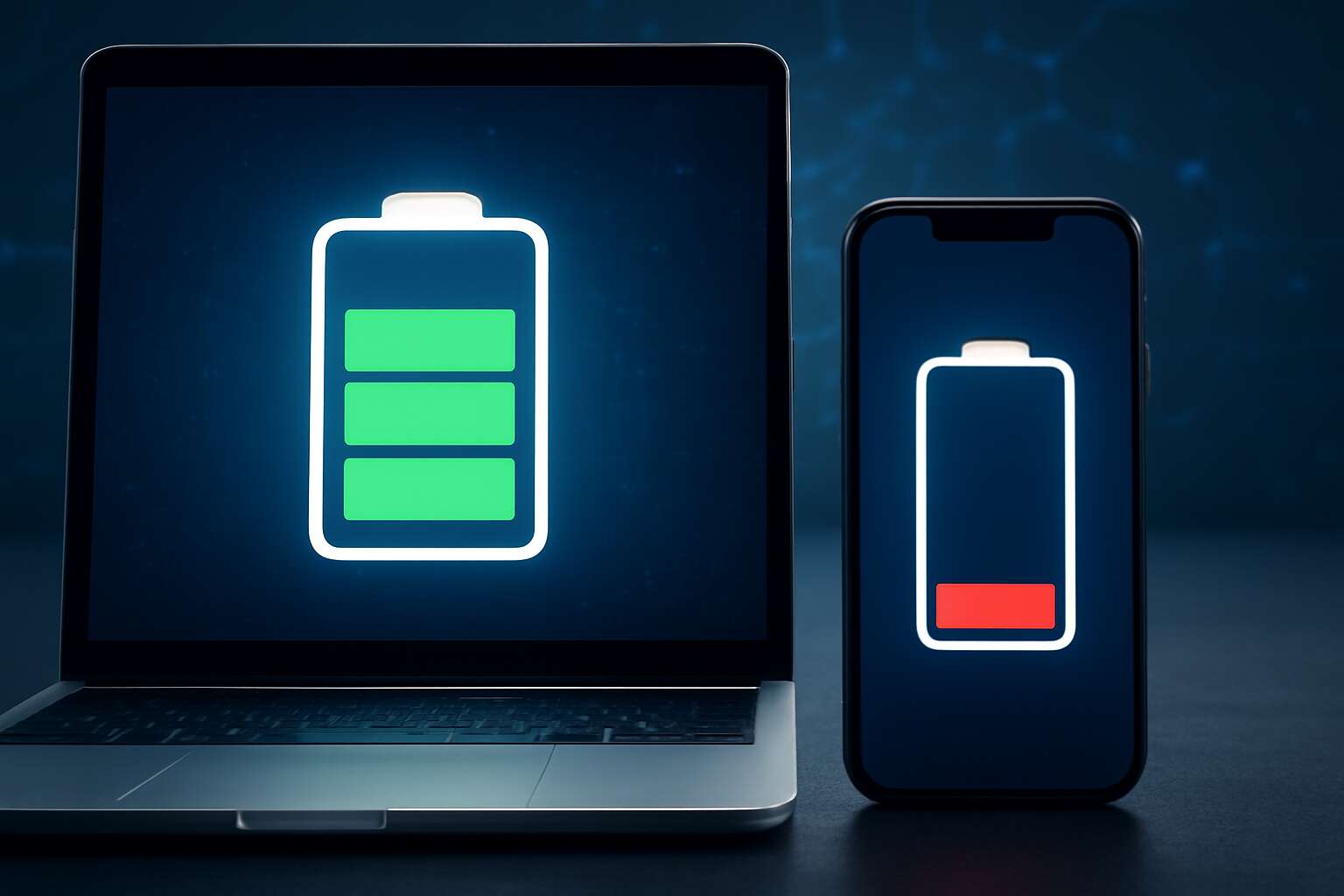
Understanding Battery Technologies
Types of Lithium-Ion Batteries – Comparison of lithium-ion and lithium-polymer batteries used in laptops and phones
When exploring the realm of portable power, understanding the nuances between different lithium-ion batteries becomes essential. The debate of laptop battery vs phone battery often hinges on the underlying technology—each tailored for specific needs yet sharing remarkable similarities. Lithium-ion batteries dominate both devices, but their construction and chemistry can vary significantly, influencing performance and longevity.
Typically, laptop batteries employ larger lithium-ion cells, designed for sustained power output and durability. Meanwhile, phone batteries prioritize compactness and rapid charging capabilities. Interestingly, lithium-polymer batteries, a subset of lithium-ion technology, are gaining traction in high-end smartphones due to their flexibility and lighter weight. They often outperform traditional lithium-ion batteries in terms of form factor, offering an ultra-slim profile that complements sleek device designs.
- Higher energy density in phone batteries allows for longer usage time in a smaller package.
- Laptop batteries tend to have a greater capacity, supporting extended work sessions.
- Both technologies focus on safety, but lithium-polymer batteries generally reduce the risk of leakage and overheating.
Differences in Battery Chemistry – Exploring chemical composition and its impact on performance and lifespan
Battery chemistry is the silent architect behind the performance and lifespan of your essential devices. When considering the ongoing debate of laptop battery vs phone battery, understanding the underlying chemical composition reveals what truly powers these devices—and why they behave so differently over time. Lithium-ion batteries, the backbone of modern portable electronics, rely on the movement of lithium ions between electrodes. The subtle variations in these chemistries influence not just capacity but also safety and longevity, shaping user experience in profound ways.
For example, traditional lithium-ion batteries used in laptops often feature cobalt oxide cathodes, providing stability and high energy density necessary for longer work sessions. Conversely, many smartphones now employ lithium-polymer batteries, which use gel-like electrolytes that allow for more versatile form factors. These differences aren’t just cosmetic; they directly impact how quickly a device charges, how much power it can store, and how it ages.
- Energy density
- Cycle life
- Thermal stability
are all affected by the chemical makeup, ultimately shaping the lifespan of a laptop battery vs phone battery in real-world use.
It’s fascinating to observe that the chemistry plays a moral role as well—balancing performance with safety, and pushing the boundaries of what portable power can deliver. The chemistry isn’t static; it evolves, promising even more efficient, safer batteries in the future. But for now, the core differences in battery chemistry remain at the heart of the ongoing debate of laptop battery vs phone battery, reminding us that beneath sleek exteriors lies a complex interplay of science and human ingenuity.
Energy Density and Capacity – How energy density varies between laptop and phone batteries
Energy density is the silent heartbeat that determines how much power your device can hold within a compact form. When comparing a laptop battery vs phone battery, the stark contrast becomes evident in their capacity to store energy. Laptops demand a high energy density to sustain longer work sessions, often pushing the limits of current battery technology. Meanwhile, phone batteries prioritize a delicate balance—compactness, safety, and efficiency—delivering just enough juice without adding bulk.
In essence, a laptop battery’s energy density is designed to maximize hours of productivity, while phone batteries focus on rapid charging and longevity in a smaller package. This divergence shapes user experience profoundly, dictating everything from how long a laptop can operate unplugged to how swiftly a smartphone can be replenished. The interplay of capacity and form factor creates a fascinating landscape, where innovation continually pushes the boundaries of what a laptop battery vs phone battery can achieve in real-world use.
Design and Form Factor Considerations
Size and Weight Constraints – Impact of device design on battery size and portability
In the delicate dance of design and function, the size and weight of a device often dictate the very soul of its battery capacity. A sleek, ultra-light laptop battery vs phone battery, for instance, must balance power with portability—an intricate act of engineering mastery. When a device shrinks, so must the battery, yet the demand for longer-lasting power persists, creating a fascinating tension that fuels innovation in energy storage technology.
Every millimeter saved in form factor translates into a tighter constraint on battery size—yet the goal remains to deliver sufficient capacity without sacrificing elegance. For mobile phones, this means compact batteries that fit seamlessly into slim profiles, while laptops require larger, more robust batteries that support extended usage, often at the expense of added weight. The impact of device design on battery size and portability is profound, shaping how we interact with technology in our daily lives. As we explore the world of laptop battery vs phone battery, it’s clear that the harmony between form and function is a testament to human ingenuity—an ongoing pursuit to keep us connected, inspired, and ever-moving forward.
Battery Placement and Integration – How placement influences electrical performance and durability
Battery placement isn’t just about space—it directly influences electrical performance and durability. In laptops, batteries are often integrated into the chassis, providing stability but requiring careful engineering to prevent overheating. Phone batteries, on the other hand, are usually embedded beneath the back panel, making design compact but challenging for heat dissipation. This difference impacts how well each device manages thermal stress and prolongs battery life.
Placement also affects accessibility for repairs or upgrades. For laptops, removable batteries are still common, allowing users to swap them out easily. Phones typically feature sealed-in batteries, demanding precision in manufacturing to ensure longevity and safety. The choice of location and integration method can make or break a device’s resilience over time, especially in the harsh conditions often encountered in South Africa.
When comparing a laptop battery vs phone battery, it’s clear that thoughtful placement enhances electrical performance and helps withstand daily wear and tear. It’s no surprise that these design decisions are at the heart of innovative energy storage solutions—balancing power, durability, and user convenience seamlessly!
Modularity and Replacement – Ease of replacing batteries in laptops vs phones
When it comes to design and form factor considerations, the ease of replacing batteries in laptops versus phones reveals a stark contrast rooted in their very essence. Laptops often embrace modularity, allowing users to swap out batteries with relative ease—an advantage that extends their lifespan and reduces electronic waste. This design choice is a testament to the enduring appeal of user-centric innovation, especially in South Africa where rugged terrains demand resilience and repairability.
Phones, however, tell a different story. Their sleek, compact silhouette necessitates a sealed-in battery—integrated tightly beneath the back panel. This design choice enhances aesthetic appeal but complicates replacement, often requiring professional repair services. For those who value longevity, this means that the lifespan of a phone battery heavily depends on the quality of its initial installation and the durability of the device’s construction.
- Modularity
- Ease of replacement
- Design constraints
In the grand tapestry of energy storage, the contrasting approaches to battery replacement reflect broader themes—balancing convenience, durability, and design elegance. Whether choosing a laptop battery vs phone battery, these choices mirror our pursuit of harmony between form and function, especially in environments where resilience is paramount.
Usage Patterns and Power Consumption
Typical Usage Scenarios – Differences in how laptops and phones are used daily
When it comes to usage patterns, laptops and phones couldn’t be more different—despite both being powered by lithium-ion batteries. Phone batteries are designed for quick bursts of activity: scrolling through social media, streaming a playlist, or snapping photos during a lunch break. These devices are often used on-the-go, demanding rapid recharges and compact energy consumption. Laptops, on the other hand, are stalwart workhorses, handling intensive tasks like video editing, coding, or even virtual meetings that stretch their battery life to the limit. Their usage patterns tend to be more prolonged but less frequent, relying on larger capacity batteries to keep productivity humming along.
Typical usage scenarios highlight the stark contrast in power consumption. Phones may last all day with light use, but heavy gaming or video editing can drain a battery in just a couple of hours. Conversely, laptops might require a midday charge if used heavily, but their larger battery capacity allows for longer intervals between plugs. Interestingly, the differences in how these devices are used daily influence not just battery life but also how manufacturers prioritize energy efficiency, heat management, and overall device design. Whether you’re a casual surfer or a power user, understanding these patterns underscores the fundamental differences in the world of laptop battery vs phone battery.
Power Consumption Factors – CPU, display, network activity, and other elements influencing battery drain
Power consumption in electronic devices is a complex ballet of numerous factors, each vying for control over battery life. For laptops and phones, understanding these elements reveals why their batteries behave so differently under similar conditions. CPU usage is a primary culprit—laptops often run more demanding applications, pushing processors into higher power states, which accelerates battery drain. Meanwhile, smartphones optimize their CPUs for energy efficiency, routinely switching to low-power modes during light tasks.
Display technology also plays a pivotal role. Phones typically feature high-resolution OLED screens that consume significant power during bright or high-refresh-rate activities. Conversely, laptops, especially those with larger screens, balance resolution with energy efficiency but often operate at lower brightness levels for extended periods. Network activity—such as streaming videos or downloading files—further influences power drain. Phones, being constantly connected via cellular data, tend to see rapid battery depletion when streaming or using GPS. On the other hand, laptops, relying more on Wi-Fi, exhibit different patterns of energy consumption.
Interestingly, certain elements like background processes, peripheral usage, and thermal management systems can tip the scales in favor of one device over the other. Recognizing these influences clarifies why a laptop battery vs phone battery may last vastly different durations—each device’s design intricacies and usage patterns shape their energy efficiency in unique ways.
Background Processes and Optimization – How software affects battery life in each device
Usage patterns and background processes are the silent puppeteers behind a device’s battery life. Phones, with their perpetual stream of notifications and location services, often drain their batteries faster than a cheetah chasing its prey. Laptops, on the other hand, are typically used for prolonged sessions—think hours of work or entertainment—making their power consumption more predictable but still susceptible to inefficiencies. The software running behind the scenes—those background processes—can stealthily sap energy without any visible indication.
Optimizing these processes can significantly extend battery life. For instance, closing unnecessary applications or disabling auto-sync features helps conserve power. Interestingly, the difference between a laptop battery vs phone battery isn’t just in capacity, but also in how software manages energy. Smartphones employ aggressive power-saving modes that limit background activity, whereas laptops often rely on user control or system settings to tweak energy usage. This distinction underscores the importance of understanding the intricate dance between hardware and software in each device.
- Monitoring active processes
- Managing startup applications
- Adjusting display and network settings
Ultimately, the software’s role in battery management reveals why two devices with similar hardware can have vastly different endurance. Whether it’s a laptop battery vs phone battery, the efficiency hinges on how intelligently the software orchestrates the device’s energy needs—an art as much as it is a science.
Charging Cycles and Battery Lifespan
Number of Charge Cycles – Comparison of typical charge cycle counts for laptops and phones
When it comes to charging cycles, the disparity between laptop battery vs phone battery becomes strikingly evident. Most smartphones are designed to endure around 300 to 500 full charge cycles before noticeable capacity loss. In contrast, laptops often boast a higher threshold, typically between 500 and 1,000 charge cycles. This difference stems from the fundamental purpose and usage patterns of each device, influencing their longevity and performance over time.
Smartphone batteries are optimized for portability and quick, frequent charges, often resulting in a faster wear rate. Laptops, however, are built for sustained productivity, with batteries engineered to withstand a greater number of recharge cycles. Interestingly, some high-end laptops can even push past 1,000 charge cycles, maintaining functional capacity for several years of regular use.
Understanding the typical charge cycle counts for both devices highlights the importance of battery management and care. For instance, limiting deep discharges and avoiding constant top-ups can significantly extend a battery’s lifespan, especially in the ongoing battle of laptop battery vs phone battery endurance. After all, the true measure isn’t just how many times you charge, but how well the battery holds up with each cycle that counts!
Impact of Charging Habits – How user behavior affects battery longevity
The dance of lithium-ion chemistry beneath the sleek exteriors of our devices is more than mere science; it’s a saga of endurance and resilience. When it comes to the age-old rivalry—laptop battery vs phone battery—the battleground often lies in the seemingly simple act of charging. Yet, this act holds the power to shape the lifespan and performance of these vital components. Intriguingly, a typical smartphone battery can endure around 300 to 500 full charge cycles before its capacity wanes noticeably, while laptops often march past this threshold, comfortably reaching 500 to 1,000 cycles or more.
User behavior plays a pivotal role in this ongoing duel. Frequent, shallow charges—such as topping up your phone throughout the day—tend to preserve health, whereas deep discharges can accelerate wear. For laptops, strategic charging habits—avoiding constant top-ups and deep discharges—can significantly prolong battery vitality. In essence, how we treat our batteries determines their longevity. The true richness of a device’s endurance isn’t just in its design but in the habits we cultivate around its care, making every charge count in the grand saga of laptop battery vs phone battery durability!
Battery Health Management – Built-in features for preserving battery capacity over time
Charging cycles are the silent arbiters of a battery’s lifespan, especially when comparing the venerable laptop battery vs phone battery. Each full cycle—draining the battery from 100% to zero and recharging—gradually diminishes capacity. Interestingly, smartphones typically endure around 300 to 500 cycles before noticeable wear, whereas laptops often surpass this mark comfortably, reaching 1,000 cycles or more. This discrepancy stems from the sheer size and chemistry of each device’s battery, as well as their usage patterns.
Battery health management features built into modern devices serve as careful custodians of longevity. For example, both laptops and phones now often include settings that limit maximum charge levels or optimize charging speed. These innovations help preserve battery capacity over time and mitigate the effects of frequent charging habits, ensuring the device remains performant and reliable. Such built-in safeguards subtly extend the life of the laptop battery vs phone battery, making each device a more resilient companion in our daily routines.
Performance and Efficiency
Battery Drain During Intensive Use – Performance differences during high-load scenarios
In the shadowy realm where power meets endurance, the performance of a battery is often a silent harbinger of your device’s fate. When subjected to high-load scenarios, the laptop battery vs phone battery reveal stark differences in resilience. Laptops, burdened with demanding tasks—be it processing complex spreadsheets or rendering digital landscapes—test their batteries’ capacity to sustain prolonged vigor. Their larger energy reserves often allow for better performance during intensive use, yet they still succumb to the inevitable drain of relentless activity.
Phones, on the other hand, face a more insidious foe: size constraints. Their batteries, while ingeniously compact, struggle to maintain stamina under similar pressures. During intensive tasks like gaming or streaming, their batteries flicker like dying stars—quickly drained and demanding careful management. The difference lies in how each device’s architecture handles power drain, with laptops generally offering a more forgiving performance edge. Still, both face the same relentless truth: under the weight of their tasks, batteries are pushed to their limits, revealing the true character of their design.
Power Management Technologies – Role of hardware and software in optimizing battery life
Power management technologies are the unseen architects behind the longevity of your device’s battery life. In the realm of laptop battery vs phone battery, the hardware and software interplay is crucial. Modern laptops often incorporate advanced power-saving components like efficient CPUs, dedicated graphics chips, and dynamic display technologies that adjust brightness based on usage. Meanwhile, smartphones rely heavily on specialized chips such as power management integrated circuits (PMICs) to optimize energy flow, especially during demanding tasks.
Software also plays a pivotal role. Operating systems like Windows or Android are equipped with intelligent algorithms that monitor background processes and adjust power consumption accordingly. For instance, they can dim screens or disable non-urgent background activities. Here’s a quick overview of key power management features:
- Adaptive brightness controls
- App and process management
- Sleep and hibernate modes
In the ongoing debate of laptop battery vs phone battery, these integrated hardware and software solutions serve as vital tools to extend battery life and improve efficiency, ensuring each device performs optimally within its design constraints. The delicate dance of power management highlights how thoughtful engineering can push the limits of what batteries can sustain in everyday scenarios—whether on a sprawling laptop or a compact smartphone.
Fast Charging and Quick Power Boost – Availability and impact on battery health
In the intricate dance of performance and efficiency, fast charging and quick power boosts emerge as the unsung heroes—especially in our fast-paced world where waiting is often a luxury we can’t afford. With modern technology, both laptops and smartphones have embraced rapid charging capabilities that can restore significant battery capacity in a matter of minutes. Yet, this convenience is a double-edged sword; frequent quick charges can accelerate battery wear, subtly diminishing overall health over time.
From a comparative standpoint, the impact on battery health in the laptop battery vs phone battery is nuanced. Smartphones often feature specialized chips, such as power management ICs, designed to regulate rapid charging, thus mitigating potential long-term damage. Laptops, on the other hand, typically rely on larger, more robust batteries that can handle higher currents, but their extensive use of fast charging still warrants careful consideration. An increasing number of manufacturers now incorporate smart charging algorithms, ensuring that quick power boosts do not compromise the longevity of these vital components.
Ultimately, the availability of quick charge technologies transforms how we engage with our devices, blending convenience with the delicate art of preserving battery vitality. Whether on a sprawling laptop or a sleek smartphone, the impact of these rapid power solutions underscores the importance of mindful usage—ensuring we enjoy the benefits without sacrificing future performance.
Environmental and Sustainability Factors
Rechargeability and Recycling – Eco-friendly practices for disposing of batteries
As consumers become increasingly conscious of their environmental footprint, the focus on eco-friendly practices for disposing of batteries has never been more critical. Both laptop battery vs phone battery disposal methods pose unique challenges, yet the principles of sustainability remain universal. Proper recycling not only reduces hazardous waste but also conserves valuable resources, ensuring these devices contribute less to pollution and landfill overflow.
Recycling programs tailored to lithium-ion batteries—common in both laptops and phones—are vital. Many regions now offer dedicated collection points where batteries can be safely processed, preventing toxic chemicals from seeping into the environment. Additionally, adopting practices such as refurbishing and repurposing batteries extends their lifecycle and diminishes the need for frequent replacements. For instance, some companies are developing second-life applications for used batteries, transforming them into energy storage units for renewable energy systems.
Given the increasing adoption of eco-conscious policies, awareness about rechargeable and recyclable batteries is essential. Whether comparing the sustainability of a laptop battery vs phone battery, or exploring eco-friendly disposal methods, responsible handling plays a pivotal role in fostering a greener future. After all, every small effort counts when it comes to minimizing our ecological footprint!
Battery Recycling Programs – Availability and importance for both laptops and phones
In a world where our lives are woven tightly into the fabric of digital connectivity, the importance of responsible battery disposal cannot be overstated. South Africa’s increasing adoption of eco-conscious policies amplifies the need for robust recycling programs tailored to both laptops and phones. These initiatives serve as guardians of our environment, transforming what was once considered waste into valuable resources. Proper recycling of lithium-ion batteries—common in both devices—prevents toxic chemicals from infiltrating the soil and waterways, safeguarding our ecosystems for generations to come.
Availability of these recycling programs varies across regions, but their significance remains universal. Many local authorities and private companies now offer dedicated collection points, making it easier for consumers to participate in sustainable practices. An understanding of the importance of these programs encourages more mindful disposal habits, which in turn reduces landfill overflow and environmental pollution. As the debate of laptop battery vs phone battery continues, the shared responsibility of recycling underscores a collective effort toward a greener future. Embracing these eco-friendly practices ensures that every device, whether a sleek phone or a powerful laptop, contributes positively to our planet’s health.
Environmental Impact – Comparison of manufacturing and disposal effects
When it comes to environmental impact, the manufacturing and disposal of batteries are far from being eco-friendly processes—despite the shiny tech image we love to flaunt. Laptop battery vs phone battery, both powered by lithium-ion chemistry, have distinct footprints that ripple through our planet. Manufacturing these compact powerhouses demands precious resources, often involving mining for lithium, cobalt, and nickel—resources that come with a hefty environmental toll. Disposing of these batteries, if not done responsibly, risks unleashing toxic chemicals into soil and waterways, turning what should be a green victory into an ecological disaster.
Interestingly, the size and capacity of laptop batteries generally mean they carry a higher environmental burden during production and disposal compared to their phone counterparts. While a laptop battery’s larger capacity might extend usage, it also means more raw materials and a larger carbon footprint. Conversely, phone batteries, though smaller, must still be disposed of properly to prevent pollution. Embracing eco-friendly practices, such as recycling programs, can significantly reduce the environmental damage caused by both devices. After all, whether it’s a laptop battery vs phone battery, the goal remains the same: minimize environmental harm and maximize sustainability in our digital age.
Future Trends and Innovations
Emerging Battery Technologies – Solid-state batteries, graphene batteries, and beyond
The future of battery technology holds exciting promise, especially when comparing laptop battery vs phone battery. As devices become more integral to our daily lives, breakthroughs like solid-state batteries are poised to revolutionize energy storage. These batteries offer higher energy density, faster charging times, and improved safety, making them a game-changer for both laptops and smartphones.
Graphene batteries are also emerging as a formidable contender, boasting ultra-fast charging capabilities and enhanced durability. Unlike traditional lithium-ion batteries, these innovative technologies could significantly extend device lifespan and reduce environmental impact. In the realm of laptop battery vs phone battery, such advancements promise lighter, more powerful devices that keep up with our fast-paced routines.
Additional innovations include flexible and modular battery designs, which not only improve device ergonomics but also simplify replacement processes. As these new battery types evolve, they will likely redefine performance benchmarks, pushing manufacturers to create smarter, more sustainable devices that align with our growing energy needs.
Smart Battery Management Systems – Advancements in software and hardware for extending battery life
Future trends in battery technology are transforming how we power our devices, with smart battery management systems leading the charge. These advanced systems leverage cutting-edge software and hardware innovations to extend battery life significantly. For both laptops and phones, smarter power management means less time tethered to chargers and more freedom to stay connected throughout the day.
In the realm of laptop battery vs phone battery, these systems optimize energy consumption by dynamically adjusting performance based on usage patterns. This adaptability not only conserves power but also preserves battery health over the long term. As a result, devices become more reliable and sustainable in our increasingly mobile world.
Additionally, the integration of AI-driven algorithms allows devices to learn user habits and optimize energy use accordingly. For instance, a laptop can reduce background activity during periods of inactivity, while a smartphone might limit app refreshes in the background. These innovations are setting new standards for device longevity and efficiency, making the rivalry between laptop battery vs phone battery even more fascinating as manufacturers push the boundaries of what’s possible.
Eco-conscious Design Improvements – Sustainable materials and design practices
As the world pivots towards sustainability, the future of battery technology is illuminated by eco-conscious design improvements. Imagine devices crafted with sustainable materials that not only power your digital life but also tread lightly on our planet. Manufacturers are increasingly turning to recycled plastics, biodegradable components, and renewable energy sources to forge batteries that honor both innovation and environmental stewardship.
In the ongoing saga of laptop battery vs phone battery, these advancements are more than mere trends—they’re a revolution. The integration of eco-friendly materials reduces waste and minimizes harmful chemical processes, making each charge and discharge cycle a step toward greener living. Furthermore, design practices now emphasize modularity, allowing for easier battery replacement and extending device lifespan, a crucial factor in reducing electronic waste.
- Utilizing recycled metals and non-toxic compounds in battery chemistry
- Designing batteries for easier disassembly and recycling
- Employing energy-efficient manufacturing processes that lower carbon footprints
Ultimately, as innovation blazes a trail through the landscape of sustainable technology, the battle between laptop battery vs phone battery becomes a quest for longevity, efficiency, and environmental harmony. These eco-conscious design improvements promise a future where power and sustainability walk hand in hand, transforming the way we connect with our devices each day.


0 Comments